Why Blaine Businesses Can Go From Quiet to Busy Faster Than You Think
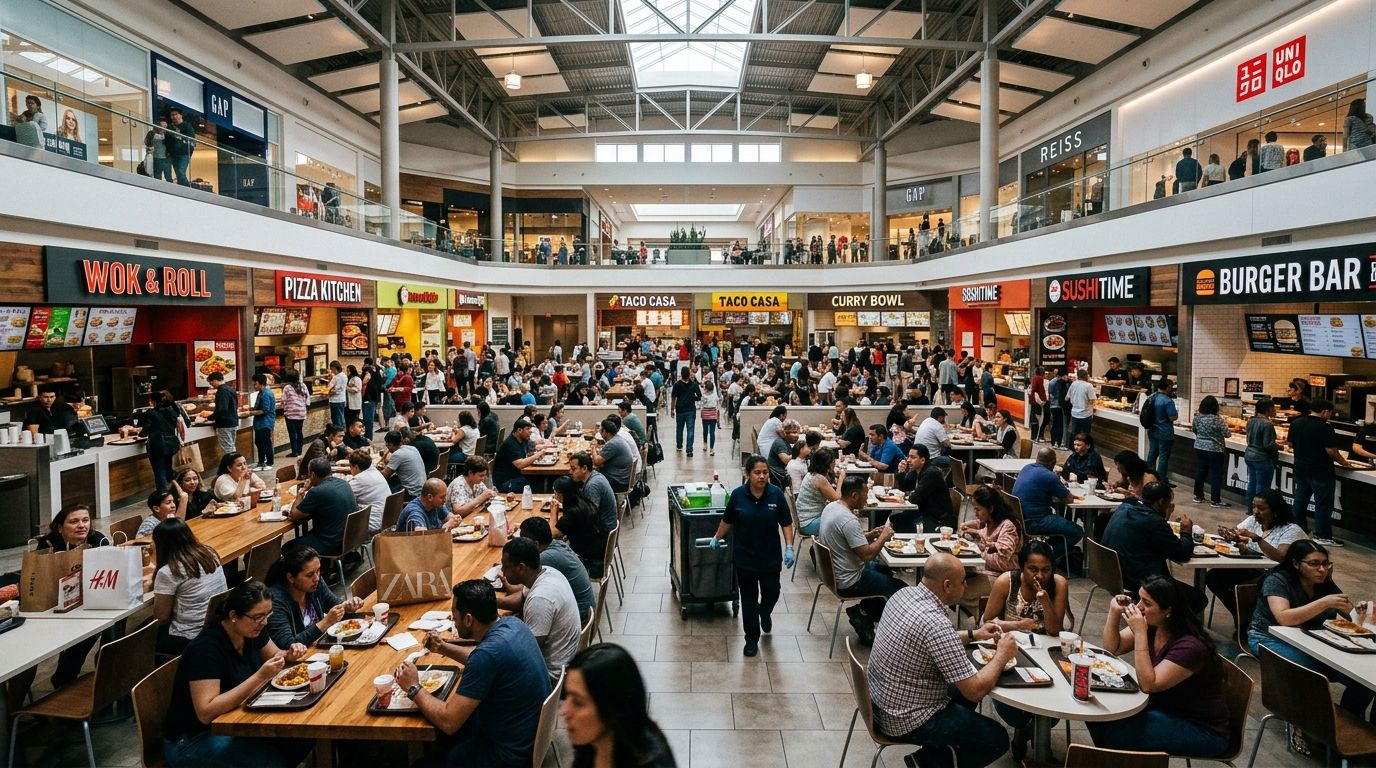
Sports Tournaments, Growing Business Districts, Highway Traffic, Industrial Facilities, and Minnesota Weather Can All Change the Cleaning Needs of a Blaine Property From One Week to the Next
Blaine is the kind of city where a normal business day is not always very normal.
An office might have a predictable Monday through Friday routine, while a hotel or restaurant near the National Sports Center can suddenly have a packed weekend. A retail business near Northtown deals with a completely different crowd. Manufacturing and industrial properties have employees, deliveries, warehouses, and production areas to think about.
Then there is Minnesota weather.
Blaine has more than 1,400 businesses employing over 26,000 people, with a strong mix of commercial, retail, manufacturing, education, and industrial employers. The city continues to grow, with new commercial and industrial development happening in several parts of the community.
At Blaine Commercial Cleaning, we believe cleaning works best when the schedule can respond to what is actually happening in the building.
Some weeks are quiet.
Some are not even close.
The National Sports Center Makes Blaine Different
There are not many suburbs where a youth soccer tournament can bring tens of thousands of people into the community in a single day.
Blaine has that.
The National Sports Center is one of the city's most recognizable destinations, hosting soccer, hockey, golf, skating, tournaments, camps, and other events throughout the year. During the Target USA Cup alone, roughly 16,000 players participate and around 25,000 people per day visit the complex during the tournament.
Those visitors do not stay inside the sports complex.
They eat at restaurants.
Stay at hotels.
Buy supplies.
Stop at stores.
Fill up gas tanks.
Visit entertainment businesses.
That can create sudden bursts of traffic for nearby commercial properties.
A restaurant that feels manageable during an ordinary Tuesday may look completely different during a major tournament weekend.
The cleaning plan should be able to recognize that.
Tournament Week Can Change Everything for Nearby Businesses
Imagine a restaurant or hotel near the National Sports Center during a large summer tournament.
Breakfast traffic starts early.
Families are coming and going.
Kids are wearing soccer cleats.
People are carrying drinks and food.
Restrooms get used constantly.
The lobby rarely sits empty.
Then another wave of guests arrives.
For businesses affected by tournament traffic, the cleaning priorities may temporarily shift toward:
- Entrances
- Restrooms
- Lobby floors
- Trash areas
- Glass doors
- Dining and customer spaces
- Frequently touched surfaces
- Common areas
You may not need that level of attention every week of the year.
That is exactly the point.
Commercial cleaning should be flexible enough to handle the weeks when business activity changes.
Summer Can Be One of Blaine's Busiest Seasons
Minnesota businesses often think winter is the difficult cleaning season.
In Blaine, summer can be just as interesting.
The city hosts major sporting events and community activities that bring large numbers of visitors into the area. In addition to USA Cup, Blaine hosts other sports tournaments and events throughout the summer. The city describes summer as one of its busiest times of year, with major events supporting local restaurants, hotels, retailers, and service businesses.
That means summer cleaning is not always just about dust and pollen.
It can also be about volume.
More customers.
More restroom use.
More trash.
More people walking across floors.
More fingerprints on doors.
A commercial property near a major activity center may actually need more cleaning in July than it does during parts of winter.
The 105th Avenue Area Is Becoming More Important
The area around the National Sports Center is also changing.
Blaine has been working on redevelopment near 105th Avenue, Nassau Street, and Radisson Road with the goal of creating an entertainment focused district that builds on the activity generated by the National Sports Center. In 2025, demolition work was completed on several properties, development activity moved forward, and Scheels announced plans for the district.
That kind of development will create new patterns of activity over time.
More retail.
More entertainment.
More visitors.
More employees.
Potentially more restaurants and hospitality uses.
For nearby businesses, that can eventually change cleaning needs without changing anything about the building itself.
The neighborhood around the building becomes busier.
That means the building becomes busier too.
Northtown Has Its Own Cleaning Rhythm
Drive south toward Northtown and Blaine feels different again.
Northtown Mall and the surrounding commercial district have long been important to the local economy. The city has adopted a long term redevelopment plan for the area, with current projects including Asia Village at Northtown and additional retail and dining development.
For retail and restaurant businesses, the cleaning challenge is simple:
Customers are inside while the building is getting dirty.
You cannot always wait until closing time.
A spill at lunch should not sit until 9 p.m.
A restroom that needs attention at 2 p.m. cannot simply be added to tomorrow's list.
A trash container overflowing near the entrance changes how the business looks right now.
That is why customer facing properties often need a combination of routine daytime attention and deeper after hours cleaning.
Retail Cleaning Is Really About Staying Presentable
A retail property does not have to look freshly cleaned every second.
That is unrealistic.
People are supposed to shop there.
But a few things make a big difference.
Clean entrance glass.
Floors that are not covered in debris.
Restrooms that feel maintained.
Trash handled before it overflows.
Checkout and customer areas that look orderly.
Those are relatively simple things.
The challenge is keeping up with them when hundreds of people may move through the building.
Blaine Has a Large Industrial Side Too
Retail and sports get plenty of attention, but Blaine also has a substantial industrial and manufacturing economy.
The city reports 11 industrial parks and a strong industrial sector. Manufacturing accounts for a meaningful share of local employment, with businesses such as Aveda, Carley Foundry, Chandler Industries, Crown Iron Works, and other manufacturers operating in Blaine.
Those facilities have completely different cleaning needs.
A manufacturing property may include:
- Reception areas
- Offices
- Production areas
- Warehouses
- Shipping and receiving
- Employee entrances
- Restrooms
- Break rooms
- Conference rooms
Trying to clean the entire property using one routine usually does not work very well.
Manufacturing Buildings Work Better When Cleaning Is Divided Into Zones
Think about a large industrial facility.
The customer entrance might see twenty visitors.
The employee entrance might see two hundred workers.
The office area may need vacuuming, dusting, restroom cleaning, and trash removal.
The warehouse may deal with packaging materials, dust, carts, equipment, and heavier floor traffic.
Those are not the same cleaning environment.
A practical plan might separate them into three areas.
Customer Areas
Reception, conference rooms, customer restrooms, main entrances, and waiting areas.
Employee Areas
Break rooms, employee entrances, staff restrooms, offices, and common spaces.
Operational Areas
Warehouse, production, storage, shipping, and other appropriate work areas.
Once the building is broken down this way, it becomes much easier to decide what needs daily attention and what does not.
The Employee Entrance Might Be the Dirtiest Door in the Building
Customer entrances usually get the attention because they are visible.
Employee entrances can quietly become a bigger cleaning problem.
Imagine 100 people arriving for work on a snowy January morning.
Most of them use the same entrance.
They walk across the same salted parking area.
Then they follow roughly the same hallway into the building.
By 9 a.m., the floor may already show exactly where everyone walked.
If a cleaning plan only focuses on the front lobby, one of the busiest areas in the building may be getting missed.
Every entrance should be evaluated based on actual use.
Highway 65 Brings Plenty of Traffic Through Blaine
Blaine is connected to the rest of the metro through I-35W, Highway 10, and Highway 65. Highway 65 in particular is a major connection for commuters, businesses, freight traffic, and visitors.
That accessibility is a major advantage for local businesses.
It also means people are arriving from everywhere.
Before someone walks into your building, they may have driven through traffic, crossed a large parking lot, walked over salted pavement, or dealt with whatever weather Minnesota decided to produce that morning.
Then all of that reaches your floors.
Minnesota Winter Makes Traffic Patterns Obvious
Winter has a funny way of showing you exactly where people walk.
Snow comes through the entrance.
Slush melts.
Sand spreads.
Road salt dries into white streaks.
Then people carry everything farther into the building.
You can almost draw the traffic route by following the floor.
During snowy periods, Blaine businesses may need more attention around:
- Main entrances
- Employee entrances
- Entry mats
- Hard floors
- Carpet near doors
- First floor hallways
- Salt residue
- Wet areas
The best strategy is often containment.
Keep the winter mess close to the entrance instead of allowing it to travel through the entire property.
Road Salt Can Make a Floor Look Dirty Five Minutes After You Clean It
Anyone who manages a commercial property in Minnesota has probably seen this.
The floor gets mopped.
It looks great.
Then more people walk inside.
The floor dries.
The white streaks come back.
Road salt is frustrating because cleaning it once is not always enough during bad weather.
Regular maintenance usually works better.
Vacuum loose sand.
Keep mats from becoming overloaded.
Remove moisture.
Clean salt before it gets tracked deeper inside.
A little attention several times can be much easier than dealing with days of buildup later.
Office Buildings Have Quieter Cleaning Problems
Blaine has a large office and professional employment base as well.
Office cleaning is usually not dramatic.
There is not always a big spill or obvious mess.
Instead, dozens of small things happen.
Coffee drips near the machine.
Dust settles around workstations.
Conference room glass collects fingerprints.
Trash fills.
Carpets absorb dirt.
Restrooms get used all day.
Nothing seems urgent.
Then Friday arrives and the office simply feels less clean.
That is why consistent office cleaning works.
You take care of little problems while they are still little.
Break Rooms Tell You How Busy the Workplace Really Is
If the front lobby is the polished version of a business, the break room is usually the more honest version.
People make coffee.
Heat lunch.
Open the refrigerator.
Sit at the table.
Drop a crumb.
Leave a little water near the sink.
None of this is unusual.
The room is being used.
Routine break room cleaning can include:
- Countertops
- Tables
- Sinks
- Floors
- Appliance exteriors
- Refrigerator handles
- Cabinet pulls
- Trash removal
- Frequently touched surfaces
Customers may never see this room.
Employees see it almost every day.
That makes it worth maintaining properly.
Restroom Cleaning Depends More on Traffic Than Room Size
A small restroom can be one of the busiest spaces in the building.
That is why cleaning frequency should follow use.
A restroom serving eight office employees may need one schedule.
A restroom at a busy restaurant, retail store, medical facility, large employer, or hotel may need another.
Higher traffic can quickly mean:
- Wet sinks
- Spotted mirrors
- Full trash
- Low supplies
- Paper on floors
- More floor cleaning
- Odor concerns
Sometimes improving restroom cleaning is not about adding more tasks.
It is simply checking the room more frequently.
Blaine's Parks and Outdoor Activity Come Indoors Too
Blaine has 65 parks covering more than 600 acres, along with more than 50 miles of trails connecting parks, schools, and open spaces.
That is a great part of the community.
It also means people spend a lot of time outside.
Employees take walks during lunch.
Families move between sports facilities, parks, restaurants, and stores.
Kids come directly from games.
People bike and use trails.
And eventually the outdoors comes inside.
Spring mud.
Summer dust and pollen.
Fall leaves.
Winter snow and salt.
A commercial building is never completely separated from what is happening outside its doors.
Sports Traffic Creates a Cleaning Problem You Cannot Measure by Population Alone
This is what makes Blaine especially interesting.
If you only looked at the city's resident population, you would miss a large part of the story.
Major sports events can bring huge numbers of visitors into the community for days at a time. During USA Cup, the city reports about 25,000 visitors per day at the National Sports Center.
Those visitors need food.
Hotels.
Retail.
Transportation.
Entertainment.
Services.
A nearby business may see customer traffic that has almost nothing to do with Blaine's resident population.
Cleaning schedules around major events should account for that.
Not Everything Needs Daily Cleaning
A good commercial cleaning plan does not mean putting every task on a daily schedule.
That can waste time.
For many Blaine businesses, areas that often need frequent attention include:
High Use Areas
- Entrances
- Restrooms
- Break rooms
- Trash areas
- Customer spaces
- High traffic floors
- Glass doors
- Frequently touched surfaces
Other areas can often follow a rotating schedule:
Periodic Areas
- Baseboards
- High ledges
- Air vents
- Cabinet tops
- Interior glass
- Detailed floor edges
- Lower traffic rooms
- High dusting
Everything still gets cleaned.
It just gets cleaned when it actually needs it.
Blaine Is Still Growing, So Cleaning Needs Will Keep Changing
Blaine describes itself as one of the fastest growing business communities in the Twin Cities, with nearly 1,400 businesses, more than 26,000 jobs, industrial parks, retail development, and ongoing commercial projects.
That growth matters at the individual business level too.
A company hires another twenty employees.
A second shift is added.
Customer traffic increases.
A restaurant becomes busier because of nearby development.
A warehouse expands.
The building may not look much different from the outside.
Inside, the cleaning requirements have changed.
Every so often, it is worth asking:
Does our cleaning schedule still match the business we operate today?
If not, the answer does not necessarily mean cleaning the whole building more.
Sometimes it simply means moving more attention to the places that have become busier.
Commercial Cleaning for Blaine, MN Businesses
Blaine's commercial community includes corporate offices, retailers, restaurants, manufacturers, healthcare businesses, hotels, warehouses, schools, sports facilities, dealerships, financial institutions, and locally owned companies.
Add major events, continued development, industrial growth, and Minnesota's changing seasons, and there is no realistic reason all of those properties should share the same cleaning routine.
Blaine Commercial Cleaning provides professional commercial cleaning built around the actual facility.
A smaller office may only need service several times each week.
A busy restaurant or retail property may benefit from daily cleaning.
A manufacturing facility may need completely different schedules for its customer, employee, and operational spaces.
The building should determine the plan.
Frequently Asked Questions
How Often Should a Blaine Business Be Professionally Cleaned?
It depends on the facility, employee count, customer traffic, operating hours, and type of business. Smaller offices may only need service a few times each week, while restaurants, retail stores, healthcare properties, hotels, and larger workplaces may benefit from daily cleaning.
Can Major Events Increase Cleaning Needs for Blaine Businesses?
Yes. Businesses near the National Sports Center and other event destinations may see significant increases in customer traffic during tournaments and major events, which can increase restroom use, trash, floor traffic, and entrance cleaning needs.
Does Winter Increase Commercial Cleaning Needs in Blaine?
Yes. Snow, road salt, sand, slush, and moisture can significantly increase cleaning needs around entrances and high traffic floors. Employee entrances can require just as much attention as customer entrances.
Can Commercial Cleaning Be Done After Business Hours?
Yes. Many Blaine businesses prefer evening cleaning so the majority of the work can be completed without interfering with employees or customers.
Can Manufacturing and Office Areas Have Different Cleaning Schedules?
Absolutely. Offices, customer spaces, warehouses, production areas, break rooms, and employee restrooms can all have different cleaning requirements and frequencies.
Need Commercial Cleaning in Blaine?
Blaine has something happening almost all year.
Employees head into offices and manufacturing facilities. Customers move through Northtown. New development continues around the city. Sports tournaments bring thousands of families into the community. Restaurants and hotels get busy. Minnesota weather changes the floors almost overnight.
A commercial building here has to deal with whatever the day brings.
Blaine Commercial Cleaning can create a cleaning schedule around your property, traffic, operating hours, seasonal needs, and the areas that actually get used the most.
The goal is not to keep the building looking like nobody has been there.
In a growing city like Blaine, that would be impossible anyway.
The goal is to make sure that after a busy day, your business still feels clean, comfortable, and cared for.